Roofing 101: Choosing the Right Contractor for Your Residential Roofing
Discovering a leak in your ceiling or a missing roof shingle can be worrisome. You need a reliable professional to protect your home from the elements. But where to start? The key to quality residential roofing is selecting the right contractor. We will guide you through ensuring that your home’s roof is not just functional but a symbol of strength and protection. With our expert advice, we’ll lead you to choose a top-tier roofing contractor from the competitive market. Equip yourself with invaluable knowledge akin to a well-built roof. By the end of this guide, you’ll be empowered to make the best decision for lasting shelter and security for you and your family.
Understanding Roofing Basics
Before embarking on the search for a roofing contractor, gaining an understanding of the basics can significantly aid in making informed decisions. Residential roofs come in a variety of types and materials, each with its own set of advantages, lifespan, and aesthetic appeal.
Types of Residential Roofs
- Gable Roof: Recognizable by its triangular shape, gable roofs are among the most common in residential areas. They easily shed water and snow, providing more space for the attic or vaulted ceilings.
- Hip Roof: With slopes on all four sides that come together at the top to form a ridge, hip roofs offer excellent stability and resistance to high winds.
- Flat Roof: While not entirely flat, these roofs have a very slight pitch to allow water runoff and are often chosen for their modern appearance and efficient use of space.
Common Roofing Materials and Their Lifespans
- Asphalt Shingles: The most popular choice for residential roofing due to their cost-effectiveness and ease of installation. They typically last between 15-30 years.
- Metal Roofing: Known for durability and longevity, metal roofs can last 40-70 years depending on the material. They reflect solar radiant heat, which can reduce cooling costs.
- Slate Roofing: Offering a beautiful, high-end appearance, slate roofs are incredibly durable and can last over 100 years. However, they are among the most expensive options and require extra support due to their weight.
- Wood Shingles and Shakes: These provide a natural look and good insulation, but they require regular maintenance. Their lifespan ranges from 25-30 years for shingles and up to 50 years for shakes under proper maintenance conditions.
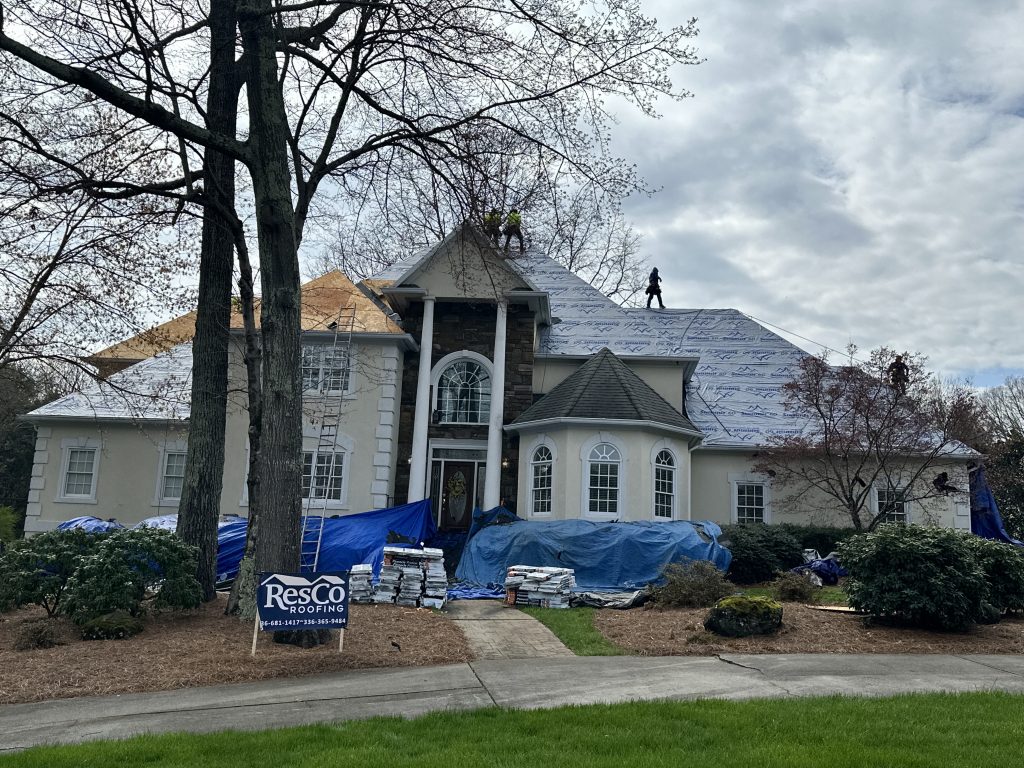
Knowing When It’s Time for a Roof Inspection
Regular roof inspections are crucial for maintaining the integrity and longevity of your roof. Knowing the signs of wear and damage can help you catch problems early, preventing more costly repairs down the line. Here are a few indicators that it’s time for a detailed roof inspection:
- Missing or Damaged Shingles: Keep an eye out for shingles that are missing, cracked, curled, or otherwise damaged. These are immediate signs that your roof may need repairs.
- Leaks or Water Damage: Signs of water damage inside your home, such as stains on the ceiling or walls, could indicate a leaky roof.
- Sagging: A roof that appears to sag or droop suggests a structural issue that needs immediate attention.
- Light Through the Attic: If you see daylight through the roof boards when you’re in the attic, it’s a sign that your roof may have holes or gaps.
- Age: If your roof is getting close to or has surpassed its expected lifespan, it’s wise to start planning for a replacement.
The Benefits of Regular Roof Maintenance
Consistent roof maintenance brings a multitude of benefits, ensuring the safety and security of your home:
- Prolongs Lifespan: Regular roof inspections and minor repairs can significantly extend the life of your roof, delaying the need for a full replacement.
- Prevents Leaks: By identifying and addressing potential issues early, you can prevent water from infiltrating your home and causing damage.
- Saves Money: Catching and repairing minor issues early on is far less expensive than dealing with extensive damage or a complete roof replacement later.
- Improves Energy Efficiency: A well-maintained roof contributes to better insulation and ventilation, which can lead to lower heating and cooling costs.
- Peace of Mind: Knowing that your roof is in good condition provides comfort and security, protecting your family and possessions from the elements.
The Contractor’s Credentials
When it comes to hiring a roofing contractor, there are three critical credentials you must verify to ensure you’re entrusting your home to a reputable professional: licensing, bonding, and insurance. These are non-negotiable elements that safeguard both you and the contractor throughout the roofing project.
- Licensing: A licensed roofing contractor has met the required standards and qualifications set by local or state governments. This credential ensures that the contractor is officially recognized and permitted to perform roofing work in your area. Always request to see their license and verify its status and validity with the appropriate licensing board.
- Bonding: A bonded contractor provides a financial guarantee that the work will be completed to the contract specifications. If the contractor fails to fulfill their obligations, the bond offers a means for compensation to the homeowner. Ensure that the contractor has a valid bond that covers the scope of your project.
- Insurance: Insurance is crucial for protecting against accidents and liabilities. A reputable contractor will have both workers’ compensation insurance, which covers injuries to employees while on your property, and general liability insurance, which covers damages to your property. Ask for proof of insurance and confirm that the policies are active.
Experience Speaks Volumes: Why the Number of Years in Business Matters
The tenure of a roofing contractor in the industry is more than just a number; it reflects their depth of experience, reliability, and commitment to quality. Contractors with many years of business under their belts bring a wealth of knowledge and expertise to your roofing project. Long-standing businesses have not only honed their skills through various challenges and projects but also demonstrated their ability to adapt to industry changes, including new roofing technologies and materials. Furthermore, the longevity of a contractor often indicates a strong track record of customer satisfaction and financial stability, which adds an additional layer of reassurance for homeowners. Choosing a contractor with extensive experience ensures that you’re partnering with a professional who has successfully navigated the complexities of roofing projects time and time again, promising a smoother and more reliable project execution.
Portfolio of Past Work: A Glimpse into Quality and Style Adaptability
Evaluating a roofing contractor’s portfolio of past work is essential in assessing their capability to meet your specific needs. A diverse and comprehensive portfolio showcases not only the quality of workmanship but also highlights the contractor’s adaptability to different styles, requirements, and roofing materials. This tangible evidence allows homeowners to visually confirm the contractor’s proficiency across various projects, ranging from standard residential roofing to more complex, custom jobs.
- Quality of Workmanship: Look for clear, high-resolution photos that display meticulous attention to detail, proper installation, and a clean finishing. Before-and-after pictures can particularly highlight the contractor’s expertise and transformation capabilities.
- Style Adaptability: A wide-ranging portfolio suggests that the contractor can adapt to the unique architectural styles of different homes, accommodating personal tastes and specific roofing needs. Whether you’re looking for modern, traditional, or energy-efficient roofs, evidence of these projects indicates a versatile skill set.
- Customer Satisfaction: Testimonials and reviews often accompany portfolio entries, providing insight into the homeowner’s satisfaction with both the project outcome and the overall experience. Positive feedback on the contractor’s professionalism, reliability, and communication further validates their reputation.
Positive References and Reviews: The Value of Testimonials and Online Ratings
The importance of positive references and reviews cannot be overstated when selecting a roofing contractor. In the digital age, online ratings and testimonials play a pivotal role in influencing homeowners’ decisions. They serve as a barometer for the contractor’s reputation and quality of service, offering invaluable insights from past customers. High ratings and positive feedback are strong indicators of reliability, professionalism, and customer satisfaction. They reflect not only on the contractor’s ability to deliver high-quality work but also on their commitment to customer service and communication.
- Trustworthiness: Positive reviews build trust in the contractor’s abilities and their dedication to fulfilling their clients’ expectations.
- Experience Confirmation: Testimonials often detail specific aspects of the contractor’s work, such as their efficiency, attention to detail, and how they handled challenges. This real-world feedback confirms their experience and expertise.
- Reliability: Consistent positive feedback across various platforms (such as Better Business Bureau, Yelp, Google Reviews) reinforces the contractor’s reputation for reliability and quality workmanship.
- Decision Making: Reading through a variety of testimonials and reviews can help homeowners make a more informed decision, choosing a contractor who has proven their worth through the satisfaction of previous clients.
Warranties and Guarantees: Understanding What is Protected Under Your Contract
When investing in roofing services, understanding the specifics of warranties and guarantees provided by your contractor is crucial. These assurances play significant roles in protecting your investment long after the actual work has been completed. There are primarily two types of warranties in the roofing industry:
- Manufacturer’s Warranty: This type of warranty covers the roofing materials against defects or failures. Depending on the manufacturer and products used, the duration and terms of these warranties can vary widely. It’s essential to ask your contractor about the specific coverage details, including what is covered (e.g., materials only, labor, or both), the warranty’s length, and any conditions or maintenance requirements that could affect its validity.
- Workmanship Warranty: Offered by the roofing contractor, a workmanship warranty covers errors in installation or construction. Since much of a roof’s longevity and performance hinge on the quality of installation, this warranty is particularly important. Workmanship warranties can vary greatly in terms of length and what they cover, so it is imperative to get clear, written details on what the contractor’s warranty includes and any actions on your part that might void it.
Contract Breakdown: What to Look for in Your Roofing Contract
When entering into a contractual agreement with a roofing contractor, it is crucial to ensure that the contract is comprehensive and clear, protecting both parties’ interests. Here are key elements homeowners should look for in their roofing contract:
- Scope of Work: This section should detail the specific work to be carried out, including materials to be used, areas of the home to be roofed, and any additional services like gutter replacement or structural repairs. Clear descriptions provide a baseline for expectations and deliverables.
- Project Timeline: A well-defined timeline, including start and completion dates, allows homeowners to plan accordingly and sets accountability for the contractor. Weather-related delays or other unforeseen circumstances should be addressed within this section.
- Cost and Payment Terms: The contract should clearly itemize the costs, including materials, labor, and any permits or fees. Payment terms, such as deposit requirements, progress payments, and final payment upon completion, need to be explicitly stated to avoid disputes.
- Change Order Process: A procedure for handling any changes to the scope of work, including how they will be documented, approved, and priced, is essential. This ensures transparency and mutual agreement on work that goes beyond the initial contract.
- Termination Clause: Conditions under which either party can terminate the contract should be laid out, including notice requirements and financial obligations. This protects you if the contractor fails to meet the terms of the agreement.
Cost Versus Quality: Budgeting for Your Roofing Project Without Compromising on Quality
Balancing cost and quality is a critical consideration when planning a roofing project. While it’s tempting to opt for the lowest bid, it’s crucial to remember that the quality of materials and workmanship directly impacts the longevity and performance of your roof. To budget effectively without sacrificing quality, start by obtaining detailed quotes from several reputable contractors. These quotes should specify the materials to be used, offering you a comparison between cost and the expected durability of those materials.
It’s also worthwhile to invest in higher-quality materials that come with extensive warranties, as they can offer greater protection and long-term savings. To manage costs, discuss your budget with your chosen contractor; they may suggest cost-effective solutions or alternatives that do not compromise the structural integrity or warranty of your roofing system.
Furthermore, consider the long-term savings associated with energy-efficient materials or those that offer superior resistance to weather and wear. Ultimately, a slightly higher initial investment in quality can result in lower repair and replacement costs down the line, ensuring your roofing project is cost-effective over its lifetime.
Communication and Professionalism: The Cornerstone of a Successful Project
Clear communication is the linchpin of any successful roofing project. It lays the groundwork for professionalism and ensures that both the homeowner and the contractor are aligned with the project’s objectives, expectations, and concerns. Effective communication fosters a transparent and trustful relationship, allowing for timely updates, adjustments, and feedback throughout the project’s life cycle. It is critical for preemptively addressing potential issues, adjusting project timelines, and ensuring that the project remains within budget.
From the initial consultation to the project’s completion, ensuring that all communication channels are open and functional is essential. This not only includes verbal and written communication but also the contractor’s responsiveness to calls, emails, and their ability to provide clear, understandable answers to any questions the homeowner might have. Professionalism in communication also involves providing regular progress reports, which can help in making informed decisions quickly should the need arise. Ultimately, clear, consistent, and professional communication can significantly enhance the overall experience and satisfaction with the roofing project, making it a seamless process for all involved parties.
Project Timeline and Completion: Setting Realistic Expectations for Project Milestones and Deadlines
Establishing realistic expectations for project timelines and completion dates is critical in managing a roofing project efficiently. Delays can happen due to a variety of reasons including weather conditions, material shortages, or unforeseen structural issues. Therefore, it’s essential for homeowners to work closely with their roofing contractors to set achievable milestones and flexible deadlines. A practical project timeline should accommodate the scope of work while allowing for contingencies. Homeowners should ensure the contract includes clear definitions of the project’s phases, with estimated start and completion dates for each phase. Additionally, understanding the conditions under which extensions might be required and how they will be communicated is key to maintaining transparency and trust between the homeowner and the contractor. By setting realistic expectations from the outset, both parties can work towards a successful completion of the project, minimizing stress and potential conflicts.
Conclusion
In conclusion, a successful roofing project does not solely rest on the quality of materials or the craftsmanship involved. It equally depends on thorough planning, effective communication, and a well-structured contract that outlines every aspect of the project. By prioritizing transparency and professionalism, and balancing cost with quality, homeowners can ensure their roofing projects are completed to high standards, within budget, and on time. Remember, the key to a seamless roofing project lies in selecting a reputable contractor, understanding the scope of work, and maintaining open lines of communication. Taking these steps will not only safeguard your investment but also enhance the overall value and longevity of your home.
https://www.google.com/maps?cid=6129032492384724290