Discover the Best Roofers in My Area: Your Ultimate Guide
Finding the right roofer can be daunting, but it’s crucial in ensuring the longevity and safety of your home’s crown—the roof. With numerous options and technicalities involved, how do you determine the best roofer for your needs? Our comprehensive guide is designed to walk you through every step, from deciphering credentials to understanding quotes, so you can make an informed decision with ease. Whether you’re dealing with leaks, weather damage, or simply looking for an upgrade, selecting a qualified roofer makes all the difference. In this ultimate guide, we’re digging deep into the roofing realm to help you discover the most reliable and skilled best roofers in my area. Sit tight as we unveil the insider tips and tricks to help you hire a roofer who will work wonders on your roof with the right expertise, quality materials, and impeccable service.
Introduction to Roofing Essentials
Before we plunge into the intricacies of selecting the best roofing professional, it’s crucial to grasp the basic concepts and components that make up your roof. Understanding these fundamentals helps in communicating your needs more effectively and makes the technical aspects of roofing quotes and repairs less intimidating. A typical residential roof consists of several key elements including the decking (or sheathing), underlayment, flashings, shingles or tiles, and the gutter system. Each of these components plays a vital role in protecting your home from the elements, and their quality, together with the workmanship of the roofer, determines the durability and performance of your roof. Familiarizing yourself with these essentials will not only boost your confidence but also empower you to make choices that prioritize both the longevity of your roof and the safety of your home.
The Significance of Choosing the Right Roofer
The decision to select the right roofer is not one to be taken lightly. A top-notch roofing job transcends mere aesthetics—it’s about ensuring your home is sealed, secure, and sheltered against the vagaries of the weather. Choosing the right roofer can mean the difference between a roof that stands firm against storms and one that fails when you need it the most. The consequences of choosing poorly can be costly, leading to leaks, structural damage, and the need for frequent repairs. A skilled and reliable roofing professional not only brings expertise and precision to the job but also uses quality materials and adheres to the highest industry standards. This ensures your roof’s longevity, efficiency, and, importantly, the safety of those it shelters. Hence, investing time and effort into finding a roofer with the right qualifications, experience, and reputation is critical. It’s a decision that affects not just the immediate appeal of your home, but its overall integrity and value for years to come.
How to Assess Roofing Damage and When to Call a Professional
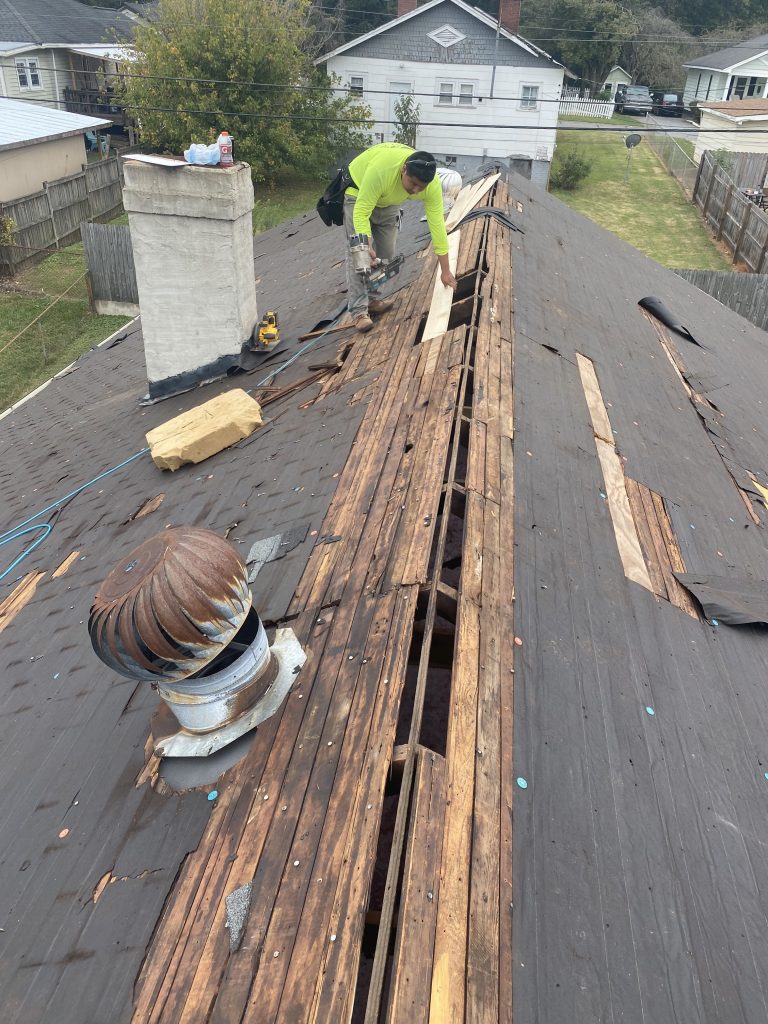
Identifying roofing damage early can save homeowners both time and money, preventing minor issues from escalating into major problems. Here are some tell-tale signs of roofing damage to look out for:
- Missing or Damaged Shingles/Tiles: If you notice that shingles are missing, cracked, or curled, it’s a clear indicator that your roof may need repairs. These defects can allow water to enter and damage the underlying structures.
- Sagging Roof: A sagging roof is a serious issue, usually indicating structural problems that may stem from weakened decking or foundation issues. It’s crucial to address this sign promptly.
- Leaks or Water Damage Inside: Water stains on ceilings or running down walls are symptoms of a leaky roof. If you spot these signs, it’s important to find the source of the leak quickly to prevent mold and structural damage.
- Clogged or Damaged Gutters: Gutters play a critical role in directing water away from your roof and home. If they are clogged, damaged, or detaching from the house, it could lead to water backing up and causing damage.
- Daylight Through Roof Boards: Seeing daylight through your roof boards from inside your attic is a sign that your roofing material might be failing. This condition requires immediate attention to prevent water and pests from entering your home.
When to Call a Professional
While some minor maintenance tasks can be handled by homeowners, such as clearing debris or cleaning gutters, roofing repairs should generally be left to professionals due to the complexity and danger involved. Here are situations when calling a professional roofer is advised:
- After Severe Weather: Following heavy storms, hail, or high winds, even if there’s no visible damage, it’s wise to have a professional inspection to catch any hidden damage.
- Visible Signs of Damage: If you observe any of the signs mentioned above, especially leaks, it’s time to call in a professional roofer who can assess the situation more thoroughly.
- Aging Roof: If your roof is approaching or has surpassed its expected lifespan (which varies depending on material but is typically 20-30 years for asphalt shingles and up to 50 years for metal roofing), it’s beneficial to have a professional evaluate its condition.
- Routine Inspection: Even in the absence of visible damage, having your roof inspected by a professional every few years can identify potential issues early and extend the life of your roof.
Credentials and Certifications: What They Mean for You
When it comes to hiring a roofing professional, understanding the significance of credentials and certifications is crucial. These indicators of a roofer’s expertise and dedication to their craft offer reassurance that you’re entrusting your home to a qualified individual or team. Roofers can acquire certifications through various programs offered by manufacturers of roofing materials and industry associations. These certifications not only demonstrate a roofer’s commitment to ongoing education and adherence to industry standards but also often grant them access to higher quality materials and extended warranties that they can pass on to homeowners.
For homeowners, a roofer’s credentials serve as a badge of trustworthiness. They distinguish professionals who are committed to quality and reliability from those who may not uphold the same standards. Certifications typically involve rigorous testing and proof of experience, ensuring that certified roofers are up-to-date with the latest roofing techniques, materials, and safety protocols. Therefore, when you choose a certified roofer, you’re not just hiring for the job at hand; you’re investing in the long-term health and security of your home. Always inquire about a roofer’s credentials and look for those recognized by reputable industry bodies. This due diligence will greatly contribute to the overall success of your roofing project, impacting everything from the project’s execution to the longevity of your roof.
Understanding Roofing Materials and Their Lifespans
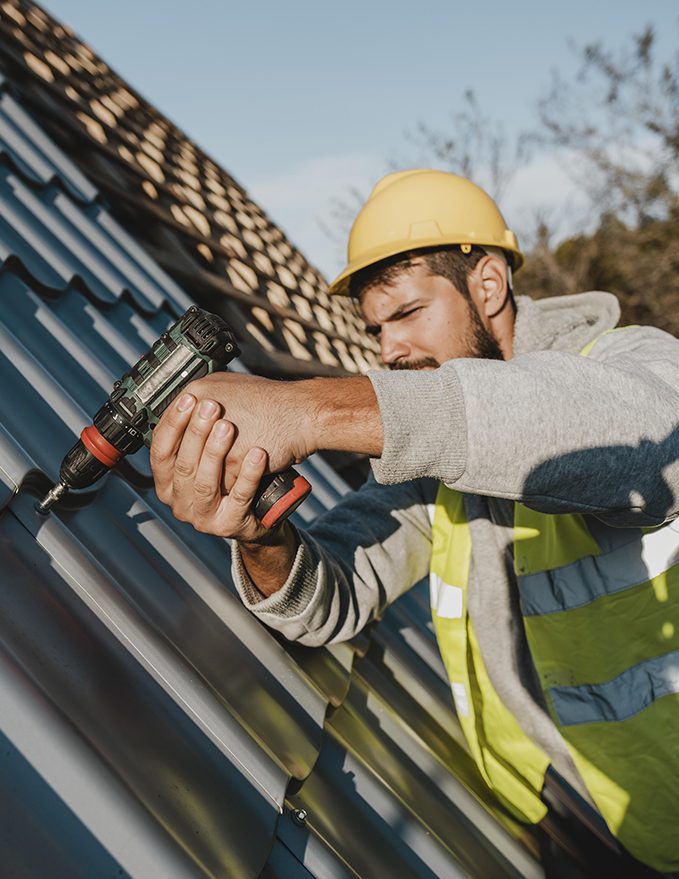
Choosing the right material for your roof is paramount, not only for aesthetics but also for the durability and protection it offers to your home. Different materials come with varying lifespans, costs, and maintenance needs, affecting the long-term investment in your property. Here’s a look at some common roofing materials and their expected lifespans:
- Asphalt Shingles: The most widely used roofing material, asphalt shingles are favored for their cost-effectiveness and ease of installation. They typically last between 20 to 30 years, depending on the climate and quality of installation.
- Metal Roofing: Metal roofs are known for their durability, energy efficiency, and fire resistance. Depending on the material (such as steel, aluminum, or copper) and maintenance, metal roofing can last 40 to 70 years.
- Tile Roofing: Clay and concrete tile roofs offer a classic aesthetic and excellent durability. While more expensive upfront, they can last 50 to 100 years with proper care.
- Slate Roofing: Slate is one of the most durable roofing materials, with a lifespan of over 100 years. It’s heavy and requires a robust support structure, but its longevity and natural beauty are unparalleled.
- Wood Shingles and Shakes: Made from natural wood (such as cedar), wood shingles and shakes provide a unique appearance and good insulation properties. Their lifespan ranges from 20 to 40 years, depending on the climate and maintenance.
The Art of Comparing Quotes: What to Look For
When it comes to roofing projects, receiving and comparing quotes from different professionals is a critical step in selecting the right contractor. However, deciphering these quotes can sometimes feel like navigating a maze. Understanding what to look for in a quote will empower you to make an informed decision based on more than just the bottom line price. Here are key elements to consider when reviewing roofing quotes:
- Detailed Breakdown of Costs: A reputable quote should clearly itemize the costs for materials, labor, and any other expenses. This breakdown makes it easier to compare quotes on a like-for-like basis and ensures transparency.
- Quality of Materials: Since different quotes might propose using materials of varying qualities, it’s essential to note not just the cost but the brand and specifications of the materials. Higher quality materials might cost more upfront but can offer better longevity and warranty.
- Scope of Work: Ensure the quote specifies the full scope of the project, including any necessary repairs, removal of the old roof, and installation of the new one. Variations in the scope of work can account for significant price differences.
- License and Insurance: Although not directly related to pricing, confirming that the roofer is licensed and insured is crucial. This information might be included in the quote or could be verified separately. It protects you from liability and ensures the contractor meets industry standards.
- Warranty Information: Look for details on both the manufacturer’s warranty for materials and the contractor’s warranty for workmanship. A longer warranty period can provide peace of mind but be clear on what is covered.
- Payment Terms and Schedule: Understand when payments are expected and if a deposit is required. Some contractors may ask for a significant portion upfront, while others might have more favorable payment terms.
- Completion Timeline: While weather and unforeseen issues can affect roofing projects, the quote should provide an estimated start and completion date. This can help you plan and avoid contractors who are too vague about timelines.
Local vs National Roofers: Pros and Cons
When choosing between local and national roofing companies, it’s essential to weigh the pros and cons of each to make an informed decision suitable for your specific needs.
Local Roofers:
- Pros:
- Familiarity with Local Building Codes: Local roofers have a better grasp of the area’s building codes and weather challenges, ensuring that your roofing project complies with local regulations and is suited to the climate.
- Personalized Service: Local roofing businesses often provide more personalized service. Their reputation within the community is paramount, so they typically strive for higher customer satisfaction.
- Quick Response Times: In case of emergencies or the need for quick repairs, local roofers can respond faster than national companies.
- Cons:
- Limited Resources: Smaller local companies might have fewer resources, which can be a disadvantage for large projects or when specific materials are in short supply.
- Varied Experience Levels: While many local roofers are highly skilled, the level of experience and expertise can vary more than national companies that often have stringent training and certification requirements.
- National Roofers:
- Pros:
- Widespread Resources: With access to more resources and a broader network, national companies can usually handle larger projects more efficiently and have better access to materials.
- Consistency in Training and Standards: National roofing companies often have standardized training programs and operational procedures, ensuring a consistent level of quality and service across various locations.
- Cons:
- Less Localized Knowledge: National companies may not be as familiar with local building codes or understand specific local environmental challenges as well as local roofers.
- Potentially Less Personalized Service: With a larger scale of operations, national roofers might offer less personalized service compared to local businesses, where building a long-term relationship with the community is more crucial.
Maintenance Tips to Keep Your Roof in Top Shape
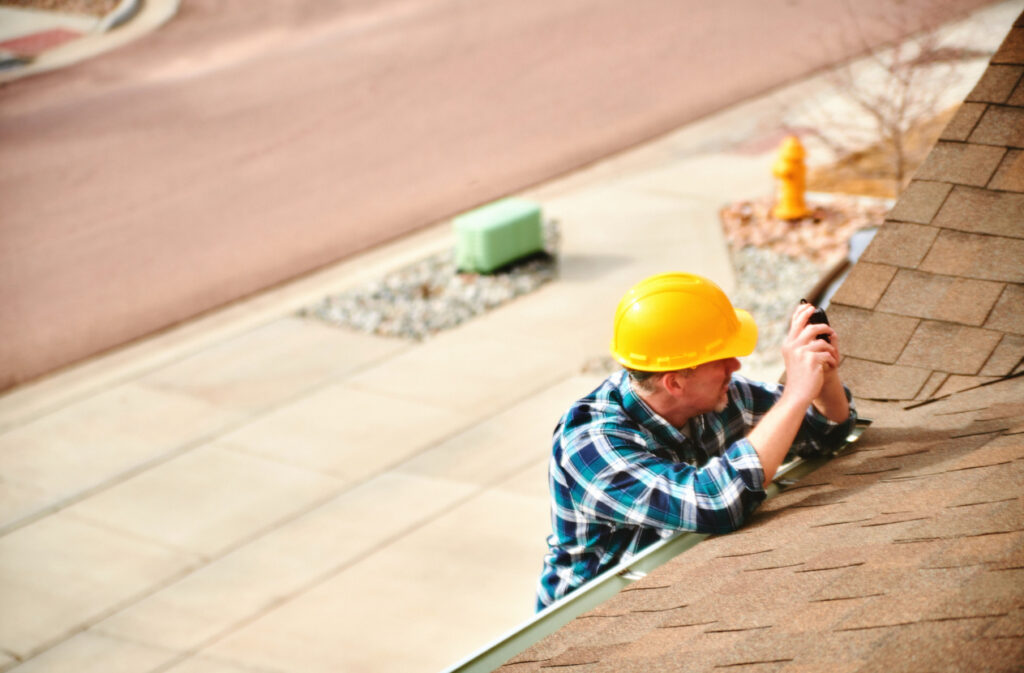
Regular maintenance is key to extending the life of your roof and averting expensive repairs down the line. Here are essential tips to ensure your roof remains in top condition:
- Inspect Your Roof Regularly: Bi-annual inspections, typically in spring and fall, can help identify potential issues early, such as missing shingles, damage from debris, or signs of water leakage. Consider hiring a professional for a thorough inspection.
- Clean Gutters and Downspouts: Ensure your gutters and downspouts are free of debris to prevent water buildup that can damage your roof and the underlying structures. Cleaning them at least twice a year or after significant storm events is advisable.
- Trim Overhanging Branches: Trees close to your home might look beautiful, but overhanging branches can scrape against your roof and drop leaves that accumulate and retain moisture. Keep limbs trimmed away from your roof to minimize these risks.
- Look for Signs of Algae, Moss, and Fungi: These can damage roofing materials over time. If you notice any growth, it’s important to address it promptly. Solutions vary from installing zinc or copper strips to prevent algae growth to applying treatments that kill and remove moss or fungi.
- Ensure Adequate Attic Ventilation: Poor ventilation can lead to heat and moisture accumulation, which can damage your roof from the inside out. Ensure that your attic is well-ventilated to prevent these issues.
- Keep an Eye on Flashing: Flashing around vents, skylights, and chimneys is crucial for preventing water ingress. Check these areas regularly for signs of damage or wear and replace or repair as needed.
- Promptly Repair Damage: If you spot any damage, however minor, it’s essential to have it repaired quickly to prevent more significant issues. Delaying repairs can lead to water damage, mold growth, and the need for more extensive, costly repairs.
Dealing with Emergencies: Quick Response Roofers
Roof emergencies can arise unexpectedly, often due to severe weather conditions, accidents, or sudden failures in roofing materials. When these situations occur, having access to quick response roofers becomes invaluable. Quick response roofers specialize in addressing roofing emergencies promptly to mitigate damage and secure the structure. They offer 24/7 emergency services, ensuring that no matter when disaster strikes, there’s professional help at hand.
Key benefits of quick response roofers include:
- Immediate Assessment and Mitigation: They can quickly assess the damage and provide temporary solutions to prevent further damage to your property.
- Expert Guidance on Next Steps: After stabilizing the situation, they can guide you on the necessary repairs or replacement required, including an estimate of costs and timelines.
- Assistance with Insurance Claims: Many quick response roofers have experience dealing with insurance claims and can provide invaluable advice or documentation to help streamline your claim process.
Conclusion
Choosing the right roofer is critical for the longevity and durability of your roof. Whether you opt for a local or national roofing company, understanding the pros and cons of each can help you make an informed decision that best suits your needs. Additionally, regular maintenance and being proactive about addressing any signs of damage can significantly extend the life of your roof and prevent costly repairs in the future. In emergencies, quick response roofers are invaluable, providing immediate relief and support when you need it most. Ultimately, a well-maintained roof not only protects your home from the elements but also contributes to its overall value and aesthetic appeal.
https://www.google.com/maps?cid=6129032492384724290