Roof Installation: What Every Homeowner Should Know Before Installing a New Roof
A new roof is not just another home improvement project; it’s a vital investment in your havens of safety and comfort. Before making the ascent to this pinnacle of homeowner responsibilities, there are essential insights that can secure your peace of mind—and your budget. In this comprehensive guide, roof installation: we’re laying out the blueprint of what every homeowner should be aware of before shingles are shuffled and nails are driven. From selecting materials that hug your home to understanding warranties that safeguard your wallet, we’ve got you covered like the perfect canopy overhead. Join us as we hammer down the must-knows of roofing—the ultimate protection for your treasured abode.
Knowing When It’s Time for a New Roof:
The decision to replace your roof is significant, not only in terms of investment but also in ensuring your home remains a safe and comfortable sanctuary. Identifying signs of wear and decay is crucial in determining the right time to consider a new roof. Look out for curling or missing shingles, persistent leaks after storms, noticeable sagging, or daylight peeking through the roof boards. These symptoms indicate that your roof’s integrity may be compromised.
The role of weather and aging on roof longevity cannot be overstated. Harsh weather conditions, including heavy rain, snow, hail, and extreme sun exposure, can accelerate the deterioration of roofing materials. Over time, this exposure leads to the breakdown of the roof’s components, making it less effective at protecting your home. Aging also plays a pivotal role; most roofs are designed to last between 20 to 30 years, depending on the material. If your roof is nearing or has surpassed its expected lifespan, it becomes increasingly susceptible to weather-related damages. Regular inspections can help you gauge the condition of your roof and make an informed decision about its replacement, ensuring your home’s safety and comfort for years to come.
Types of Roofing Materials:
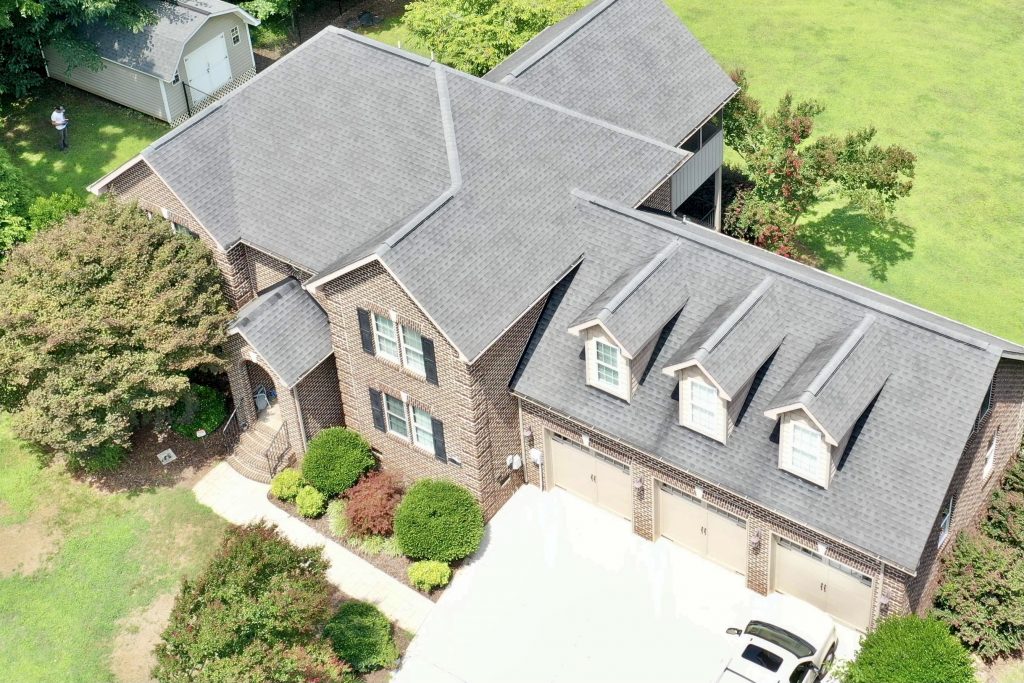
When it comes to selecting the right roofing materials for your home, understanding the pros and cons of each option alongside your climate and architectural style is key. Here’s a closer look at some common roofing materials:
Asphalt Shingles:
- Pros: Popular for their affordability and versatility, asphalt shingles come in various colors and styles fitting numerous housing types. They are relatively easy to install and provide a sound level of moisture resistance.
- Cons: Their lifespan is shorter compared to other materials, typically lasting between 15 to 30 years. They can be prone to wind uplift and may not offer the same level of aesthetic appeal as heavier, more durable materials.
Metal:
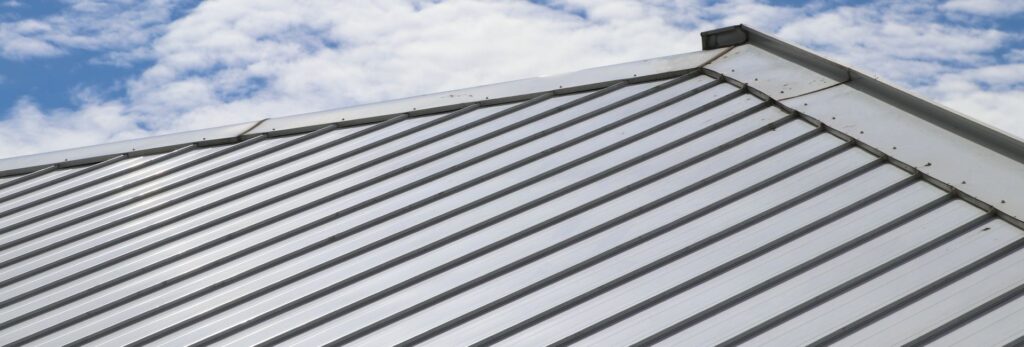
- Pros: Metal roofing is durable, offering a lifespan of up to 50 years or more. It’s highly resistant to extreme weather conditions, making it ideal for areas prone to severe storms, heavy snow, or extreme heat. Energy-efficient, metal roofs reflect solar radiant heat, which can reduce cooling costs.
- Cons: The initial cost can be higher than asphalt shingles. Installation requires specialized expertise. Some people may find the noise of rain on metal roofs undesirable.
Tile:
- Pros: Tile roofs, whether clay, concrete, or slate, offer a distinctive appearance that complements Mediterranean, Spanish, or historical home styles. They are incredibly durable, with a lifespan exceeding 50 years, and offer excellent fire resistance.
- Cons: Tile is one of the most expensive roofing materials and its weight requires a reinforced roof structure. It’s also more prone to breakage when walked on improperly.
Slate:
- Pros: Slate roofing is known for its natural beauty and longevity, often lasting over 100 years. It is fire resistant and sustainable, being made from natural stone.
- Cons: Slate is among the most expensive roofing options and requires a skilled installer. Its weight, like tile, requires significant structural support, and it can be brittle under impact.
Choosing the Best Material for Your Climate and Home Style:
Selecting the right roofing material involves balancing aesthetic considerations with the practical demands of your climate. For areas with heavy rain or snow, opting for durable, moisture-resistant materials like metal or slate can be wise choices. In regions experiencing intense sun, reflective materials such as metal can help keep cooling costs down. For homeowners seeking a traditional look, asphalt shingles and tile offer a variety of styles that can complement your home’s architectural design. Always consider the weight of the material and ensure your home’s structure can support it. Consulting with a professional roofer who understands your region’s unique challenges can also provide valuable guidance tailored to your specific needs and preferences.
Understanding Roofing Terminology
Before you start your roofing project, getting familiar with common roofing terminology can significantly enhance your understanding and communication with contractors. Here is a glossary of key terms that you will likely encounter:
Flashing:
Flashing refers to thin pieces of waterproof material installed to prevent water from entering at joints or intersections on a roof. Common areas that require flashing include around vents, chimneys, skylights, and where the roof meets a wall.
Underlayment:
The underlayment is a protective layer installed between the roof deck and the shingles or other roofing materials. It provides an additional barrier against water and weather damage, aiding in the overall longevity of the roof system.
Soffit:
Found on the underside of your roof’s overhang, the soffit is vital for ventilating the attic space. It helps in regulating the temperature in both your attic and the rest of your home, reducing the risk of temperature-related damage or inefficiencies.
Fascia:
The fascia is a band or board that runs along the roof’s edge, visible from the outside of the house. It acts as a finishing edge that covers the ends of the rafters and trusses, providing an aesthetic appeal and a foundation for gutters to be attached.
The Cost Factor
Estimating the investment range for a new roof can be complex, as it is influenced by a myriad of factors. Key among these is the choice of roofing material, with asphalt shingles being the most cost-effective and slate or high-end tiles reflecting a significantly higher price point due to their durability and aesthetic appeal. The size and complexity of the roof also play crucial roles; larger roofs or those with multiple dormers, valleys, or a steep pitch demand more materials and labor, driving up costs. Geographic location affects pricing too, as labor costs can vary significantly across different regions. Additional elements like the removal of the old roof, the need for structural reinforcements to accommodate heavier materials, and any repairs to the underlying roof structure can further impact the overall investment. Understanding these factors can help homeowners budget more accurately and choose the best roofing option that aligns with their performance needs and aesthetic preferences.
Finding and Selecting a Roofing Contractor
When it comes to selecting a roofing contractor, making an informed choice is crucial. Here are several tips on how to source reputable professionals:
- Seek Recommendations: Begin your search by asking friends, family, and neighbors for referrals. Personal recommendations can provide honest insights into a contractor’s reliability, workmanship, and customer service.
- Check Credentials: Ensure the roofing contractor is licensed to operate in your area. Licenses attest to the contractor’s adherence to local codes and regulations, reflecting a level of professionalism and knowledge in the field.
- Verify Insurance: It’s essential to confirm that any contractor you consider has comprehensive liability and workers’ compensation insurance to protect you from any accidents or damage that occur on your property during the project.
- Read Customer Reviews: Online reviews on platforms like Better Business Bureau, Angie’s List, or local community forums can offer valuable perspectives on a contractor’s reputation. Look for patterns in feedback — consistent complaints or accolades about specific aspects of their service can be very telling.
- Ask for Examples of Previous Work: Requesting photos or locations of recent projects can provide you with a tangible sense of the quality and style of work the contractor delivers. It may also be possible to speak with past clients to hear firsthand about their experiences.
Preparatory Work for Roof Installation:
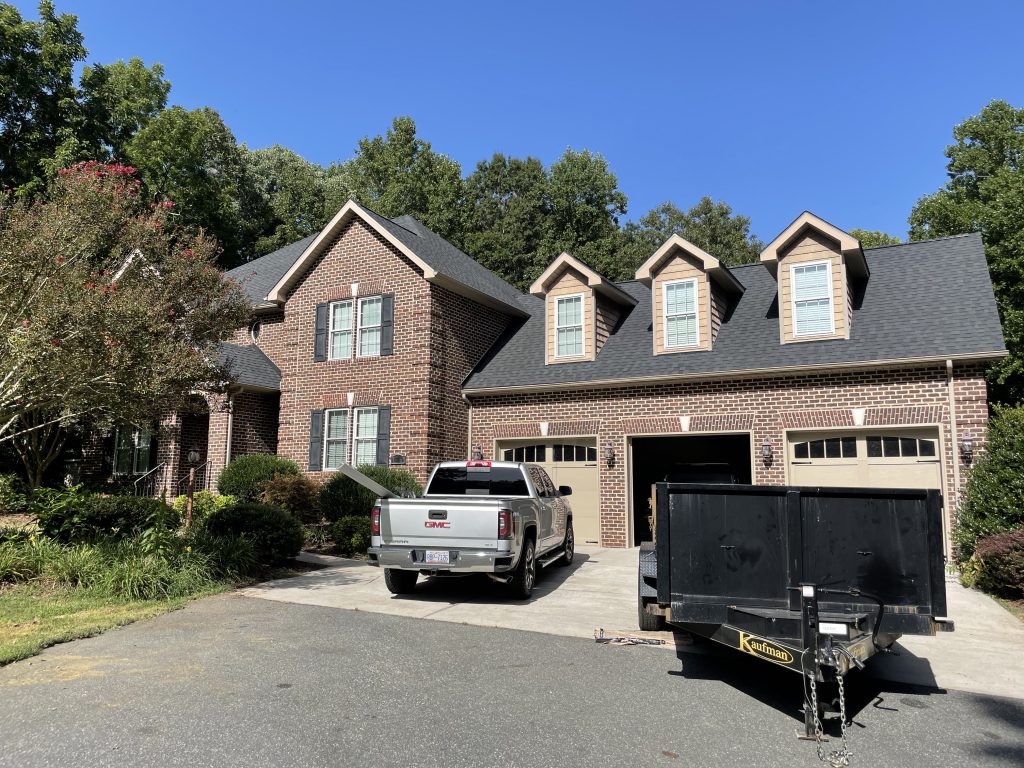
Before the installation of a new roof commences, homeowners must undertake several preparatory steps to ensure a smooth and efficient project. This preparation not only facilitates the work for the roofing contractor but also helps in safeguarding your property and optimizing the new roof’s performance long-term.
- Clearing the Surroundings: Start by removing any obstacles that could hinder access to the roof. This might include relocating vehicles, garden furniture, or potted plants away from the work area. Also, consider trimming back trees or shrubs that are too close to the roof.
- Protecting Property: Safeguard your belongings by covering landscaping and outdoor fixtures with tarps or protective sheeting. Internally, you may want to protect attic items from dust and debris with sheeting as well.
- Notifying Neighbors: Informing your neighbors about the upcoming roofing project is a courteous gesture, especially for those who may be impacted by noise or temporary disruptions.
Removing Old Roofing vs. Overlaying—Making the Right Choice:
When it comes to preparing for a new roof, homeowners face a critical decision: whether to remove the old roofing material or overlay the new roofing on top of it. Each option has its considerations:
- Removing Old Roofing: Completely stripping the old roof allows for a thorough inspection of the roof deck and underlying structures. Any issues, such as rot or structural weaknesses, can be addressed directly, ensuring the new roof’s integrity. While removal increases the project’s cost and duration, it extends the new roof’s lifespan and performance.
- Overlaying: Applying new roofing material over existing shingles is generally faster and less expensive. However, it’s not always the best choice. Overlaying can add significant weight to the roof structure, possibly beyond what it was designed to support. It also masks underlying problems that could worsen over time, potentially leading to costly repairs. Building codes in some areas limit or prohibit overlays, so it’s vital to check local regulations.
Making the right choice between removal and overlaying depends on several factors, including the condition of the existing roof, budget constraints, and long-term homeownership plans. Consulting with a professional roofer who can assess the current roof’s condition and offer expert advice is crucial in making an informed decision that aligns with both immediate and future needs.
Installation Process Demystified: Walkthrough of a Typical Roof Installation from Start to Finish
The process of installing a new roof is extensive and involves several crucial steps that ensure the longevity and durability of your roof. Understanding these steps can demystify the installation process and help homeowners know what to expect:
- Initial Inspection and Measurement: Before any work begins, a professional roofer will conduct a thorough inspection of the existing roof and take accurate measurements. This step is essential to determine the amount of roofing material needed and to identify any underlying issues that need to be addressed.
- Choosing Materials: Homeowners will then select their preferred roofing materials, considering factors like climate, aesthetic preference, durability, and budget. Options range from traditional asphalt shingles to metal, tile, or slate.
- Removing the Old Roof: If the decision has been made to remove the old roof, the contractor will carefully strip away the existing shingles, underlayment, and flashing. This step is messy and loud but necessary to ensure a clean slate for the new roof.
- Inspecting and Repairing the Deck: With the old materials removed, the roof deck is inspected for signs of rot, damage, or structural weaknesses. Any necessary repairs are made at this stage to ensure a solid foundation for the new roof.
- Installing Underlayment: Before the new roofing material is applied, a water-resistant or waterproof underlayment is laid down. This barrier protects the roof deck from moisture damage and is a critical component of the roof’s overall weatherproofing system.
- Applying New Roofing Material: Depending on the chosen material, the installation process can vary. For shingles, the installation starts at the bottom edge of the roof and works upward, ensuring each row overlaps the one below it to prevent water ingress.
- Flashing, Drip Edges, and Ridge Vents: Metal flashing is installed around roof features such as chimneys, skylights, and vents to redirect water away from vulnerable areas. Drip edges are applied along the edges of the roof, and ridge vents are installed at the peak to allow for effective attic ventilation.
- Final Inspection and Cleanup: Once the installation is complete, the roofing team conducts a comprehensive cleanup of the site, removing all debris and materials. A final inspection is performed to ensure the installation meets all local building codes and manufacturer’s specifications.
Warranties and Guarantees: Navigating Roofing Warranties
What to Look for in a Roofing Warranty
When investing in a new roof, understanding the coverage provided by warranties is crucial. Roofing warranties come in various forms but essentially serve to protect homeowners against material defects and installation errors. Key aspects to consider include:
- Length of Warranty: The duration of the warranty can vary significantly, ranging from 20 years to a lifetime. Longer warranties often reflect higher quality materials and a greater commitment from the manufacturer to stand behind their product.
- Coverage Details: It’s vital to understand what is included in the warranty. Some cover only material defects, while others cover both materials and labor. Make sure to clarify what costs are covered, including removal of defective materials, freight, and disposal fees.
- Transferability: Some warranties allow for transfer to a new homeowner, which can be a valuable selling point if you plan to sell your house. Typically, a transferable warranty is only allowed once and may require a fee or reduced coverage after transfer.
- Prorating: Non-prorated warranties maintain their full value throughout the warranty period, whereas prorated warranties decrease in value over time. Non-prorated warranties generally offer better protection.
Understanding Manufacturer vs. Workmanship Warranties
- Manufacturer Warranties: These warranties cover defects in roofing materials. They’re issued by the manufacturer and can range widely in terms of what’s covered and for how long. You’ll need to ensure you understand the specific conditions and exclusions of these warranties, such as requiring the use of certified contractors for installation.
- Workmanship Warranties: Also known as installation warranties, these are provided by the roofing contractor and cover errors in installation. The duration of these warranties can vary, but they are generally shorter than manufacturer warranties. Workmanship warranties are crucial because even the highest-quality roofing materials can fail if installed incorrectly.
When selecting a roofing system, carefully consider both types of warranties. A comprehensive approach, covering both materials and installation, ensures long-term protection and peace of mind for your investment. Always make sure to obtain and review the warranty documents before making any decisions and ask your contractor any questions to clarify your coverage.
Conclusion
Selecting the right roofing system for your home involves understanding the intricate process of roof installation and navigating the complexities of roofing warranties. By familiarizing yourself with the steps of installation and the specifics of warranty coverage, you can make informed decisions that ensure the longevity and durability of your roof. Remember, a well-installed roof with comprehensive warranty coverage will protect your home against the elements, enhance its aesthetic appeal, and could significantly increase your property value. Ultimately, investing the time to understand these aspects and choosing the right materials and contractors will safeguard your home for years to come, providing peace of mind and a sense of security for you and your family.
https://www.google.com/maps?cid=6129032492384724290